Your Skincare Should Do More Than Take Up Space on Your Counter. You've tried the serums. You've bought the trending products. Maybe you've even built an entire routine—only to wonder whether any of it is actually addressing what bothers you about your skin. Sometimes, great skincare needs more than another over-the-counter product. Prescription skincare gives Isabelle Joseph, DNP, NP-BC the ability to create a more targeted approach based on your skin, your concerns, and your goals. No guessing. No chasing every trend. Just thoughtful, provider-guided skincare designed for you.
Skincare With Isabelle
Joseph, DNP, NP-BC
Skincare With Isabelle
Joseph, DNP, NP-BC
Your Skincare Should Do More Than Take Up Space on Your Counter. You've tried the serums. You've bought the trending products. Maybe you've even built an entire routine—only to wonder whether any of it is actually addressing what bothers you about your skin. Sometimes, great skincare needs more than another over-the-counter product. Prescription skincare gives Isabelle Joseph, DNP, NP-BC the ability to create a more targeted approach based on your skin, your concerns, and your goals. No guessing. No chasing every trend. Just thoughtful, provider-guided skincare designed for you.
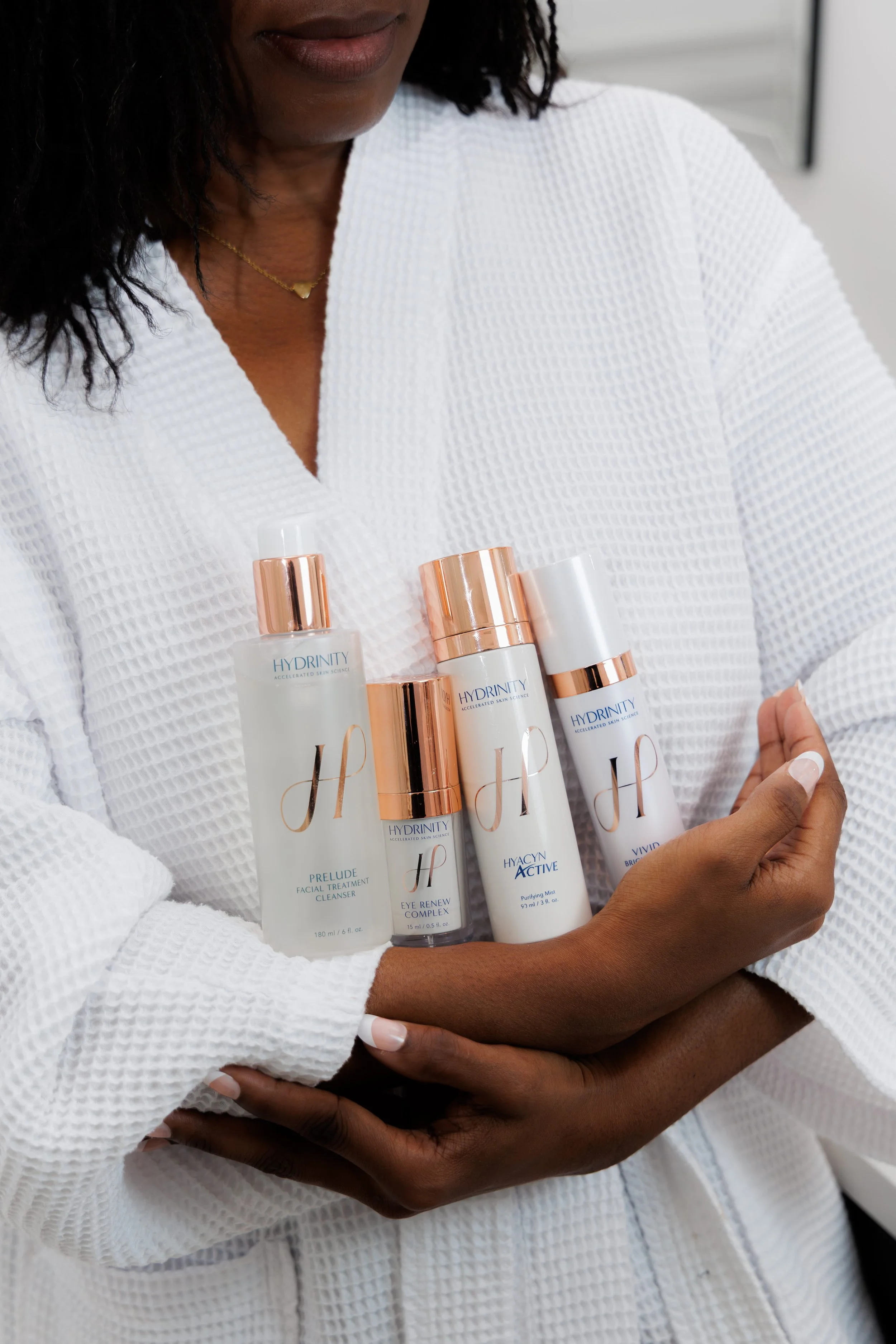
When Over-the-Counter
Skincare Isn't Enough
Over-the-counter products can play an important role in a healthy skincare routine.
But some skin concerns may benefit from prescription-strength ingredients that aren't available in standard retail products.
The goal isn't necessarily to use more products. It's to use the right products.
Isabelle can help determine whether prescription treatment belongs in your routine—and how to use it alongside the skincare you already have.
Common gastrointestinal side effects can include:
Fine lines and visible signs of aging
Uneven skin tone
Hyperpigmentation
Sun-related discoloration
Acne and breakouts
Congested skin
Rough or uneven texture
Dullness
Certain redness or pigmentation concerns
What Is Prescription
Skincare?
Prescription skincare uses clinically appropriate medications to address specific skin concerns. Unlike purchasing a product based on an advertisement, recommendation, or social-media trend, prescription treatment requires medical evaluation. That distinction matters.
Your skin type, concerns, medical history, current products, sensitivities, previous treatments, medications, and goals can all influence which ingredients are appropriate for you. Isabelle evaluates those factors before recommending a prescription skincare plan.
What Is Prescription Skincare?
It's easy to believe that a successful skincare routine should have six, eight, or even ten steps. It doesn't have to. In fact, using too many active ingredients at the same time can sometimes leave skin irritated, dry, sensitive, or difficult to manage. Isabelle's approach is intentionally different. Start with what your skin needs. Then build around it. For some patients, that may mean introducing one prescription product into an otherwise simple routine. For others, it may mean adjusting several products so they work together more effectively. The goal is a routine you can understand, tolerate, and actually follow.
Prescription Skincare Isn't About
Having the Most Complicated Routine
Prescription Skincare Isn't
About Having the Most
Complicated Routine
What Can Prescription
Skincare Help Address?
Changes in collagen, sun exposure, and normal aging can affect skin texture, tone, and the appearance of fine lines. Certain prescription topical medications may help improve visible signs of photoaging over time.
Fine Lines + Photoaging
What Can Prescription Skincare Help Address?
Dark spots and uneven pigmentation can have different causes. Sun exposure, previous inflammation, acne, hormones, and other factors may all contribute. Identifying the type of pigmentation matters because the appropriate treatment can differ.
Hyperpigmentation + Uneven Tone
Prescription treatment doesn't have to be reserved for a severe skin concern. For some patients, it becomes one part of a long-term, medically guided strategy for maintaining healthier-looking skin.
Overall Skin Health
Acne can occur well beyond the teenage years. Prescription skincare may be used to address clogged pores, inflammatory breakouts, acne-related texture, and other contributing factors depending on the individual patient.
Acne + Breakouts
Skin-cell turnover changes over time. Certain prescription ingredients can help support a smoother, more even-looking complexion when used appropriately.
Texture + Dullness
One of the Most
Established Tools
in Medical Skincare
Retinoids are vitamin A derivatives used in dermatologic and aesthetic skincare. Prescription retinoids such as tretinoin may be used for concerns including acne and visible signs of sun-related skin aging. They work in part by influencing skin-cell turnover and other processes within the skin.
That doesn't mean everyone should immediately begin the strongest retinoid available. The right medication, concentration, frequency, and supporting routine depend on your skin.
Isabelle can help you introduce prescription retinoid therapy gradually and build the rest of your routine around it.
Starting thoughtfully matters because retinoids can cause:
Dryness
Peeling
Redness
Irritation
Increased sensitivity
You've probably heard about tretinoin on social media. It has become one of the most talked-about prescription skincare ingredients—and for good reason. Tretinoin has decades of clinical use and may be prescribed for acne as well as certain signs of photoaging. But tretinoin isn't simply a “stronger retinol.”
It's a prescription medication. How often you use it, what strength you use, what other active ingredients are in your routine, and how well you protect your skin from the sun can all influence your experience. The best tretinoin routine isn't the most aggressive one. It's the one your skin can tolerate consistently.
What About Tretinoin?
Common gastrointestinal side effects can include:
Sun exposure
Post-inflammatory hyperpigmentation
Acne
Hormonal changes
Melasma
Previous skin injury or irritation
Other skin conditions
Acne Doesn't End at 18
Adult acne is common and can be particularly frustrating when you're simultaneously thinking about fine lines, dryness, pigmentation, or other age-related changes.
Your routine shouldn't force you to choose between treating breakouts and supporting the rest of your skin. The appropriate treatment depends on the type and severity of your acne as well as your medical history.
More severe, painful, cystic, scarring, or treatment-resistant acne may require evaluation by a dermatologist or another appropriate medical professional.
Adult Skin Can Break Out, Too.
Common gastrointestinal side effects can include:
Clogged pores
Blackheads and whiteheads
Inflammatory breakouts
Recurring acne
Acne-related pigmentation
Pigmentation Treatment
One of the biggest mistakes in treating pigmentation is assuming every dark spot has the same cause. It doesn't.
Depending on the type of pigmentation and your individual skin, prescription treatment may include ingredients designed to reduce excess pigment production or improve skin turnover.
But pigmentation treatment requires patience. It also requires excellent sun protection. Without protecting your skin from ongoing UV exposure—and, for some pigmentation concerns, visible light—treatment results can be limited and discoloration may recur.
Dark Spots Aren't All the Same.
Isabelle's Approach
to Prescription
Skincare
Your friend may love her skincare routine. An influencer may swear by a particular ingredient. A product may have thousands of five-star reviews. None of that tells Isabelle exactly what your skin needs. Her approach starts with you. What concerns you most? What are you currently using? What has worked before? What has irritated your skin? How much time do you realistically want to spend on your routine? What aesthetic treatments are you receiving? What are your long-term skin goals?
From there, Isabelle can help create a skincare plan that makes sense for your skin rather than simply adding another product to your bathroom counter.
Treat Your Skin—Not the Trend.
WHAT TO EXPECT
Skin Consultation
You'll discuss your primary skin concerns, goals, current routine, previous treatments, sensitivities, medical history, medications, and any prescription skincare you've used in the past.
STEP 1
Review What You're Already Using
You don't necessarily need to throw away everything you own. Isabelle can help identify which products still serve a purpose, which may be duplicating one another, and which may interfere with a new prescription treatment.
STEP 2
STEP 3
Build Your Treatment Plan
If prescription skincare is appropriate, Isabelle can recommend a treatment plan based on your concerns and skin needs. Your plan may combine prescription treatment with carefully selected non-prescription skincare.
Introduce Treatment Thoughtfully
More aggressive isn't always better. Some prescription ingredients should be introduced gradually to improve tolerability. Isabelle can explain when to use your medication, how often to begin, what products to pair with it, and what to avoid.
STEP 4
Reassess + Adjust
Your skincare needs can change. As your skin adapts or your concerns improve, Isabelle may recommend adjusting frequency, strength, supporting products, or other parts of your routine.
STEP 5
Your Prescription Is Only Part of the Routine
Your Prescription Is Only Part of the Routine
Your Prescription Is Only
Part of the Routine
The Basics Still Matter.
Cleanse
Use an appropriate cleanser to remove makeup, sunscreen, oil, and debris without unnecessarily stripping the skin.
Treat
This is where prescription skincare and other targeted active ingredients may fit.
Moisturize
Supporting the skin barrier can be particularly important when using active or prescription ingredients.
Daily sunscreen is one of the most important parts of a skincare routine—especially when you're investing time and money into improving pigmentation, texture, and visible signs of aging.
Protect
The individual products can change. Those fundamentals remain important.
Prescription + Medical-
Grade Skincare
Prescription skincare and medical-grade skincare can work together.
A prescription may target a particular concern while your cleanser, antioxidant, moisturizer, sunscreen, or other products support the overall routine.
The key is making sure the ingredients complement one another.
Isabelle can help you understand:
Which products are actually necessary
When to use each product
Which ingredients shouldn't be layered together initially
How to reduce unnecessary irritation
Where a prescription belongs in your routine
Which medical-grade products may complement your treatment
Prescription Skincare +
Chemical Peels
Professional treatments and home skincare can complement one another—but timing matters.
If you're receiving chemical peels, Isabelle needs to know which prescription and active skincare products you're using.
Certain products may need to be paused before or after a peel depending on the treatment and your skin.
Don't independently combine aggressive at-home actives with professional treatments because you assume “more exfoliation” will produce faster results.
A coordinated plan can help you pursue your skin goals while protecting your skin barrier.
Prescription Skincare
+ Tox
Tox and prescription skincare address different aspects of facial aging. Tox treatments can temporarily soften the appearance of certain expression-related lines by reducing targeted muscle activity.
Prescription skincare works at the skin level and may help address concerns such as texture, pigmentation, acne, or signs of photoaging depending on the medication prescribed. For patients interested in a broader approach to skin aging, these treatments may complement one another.
The goal isn't to do everything. It's to choose the treatments that make sense for your goals.
Sun Protection Is Part
of the Treatment
You can invest in excellent skincare and still undermine your progress by ignoring sun protection.
Some prescription skincare treatments can also make skin more sensitive to irritation from sun exposure. A broad-spectrum sunscreen should be a consistent part of your routine.
Isabelle can help you select an option that works with your skin type, lifestyle, makeup, and other products—because the best sunscreen is one you'll actually wear consistently.
UV exposure contributes to:
Premature visible skin aging
Uneven pigmentation
Changes in skin texture
Sunspots
Increased skin-cancer risk
Pregnancy + Prescription
Skincare
Pregnancy, breastfeeding, and pregnancy planning can significantly change which skincare ingredients are appropriate.
Certain prescription retinoids should not be used during pregnancy. Other prescription or active ingredients may also need to be avoided or reconsidered.
Tell Isabelle if you:
Are pregnant
Are breastfeeding
Are actively trying to conceive
Think you may become pregnant
What About Sensitive
Skin?
Having sensitive skin doesn't automatically mean you can't use effective skincare. It may mean the plan needs to be more intentional.
The goal isn't to make your skin peel, sting, or become visibly irritated. Irritation isn't proof that a product is working.
Isabelle may recommend:
Introducing active ingredients more gradually
Starting with a lower frequency
Simplifying the rest of your routine
Prioritizing barrier-supporting products
Avoiding unnecessary combinations of irritating ingredients
Adjusting treatment based on how your skin responds
Prescription Skincare
Frequently Asked
Questions
Prescription Skincare Frequently Asked Questions
-
No. Not every patient needs a prescription product. A well-designed non-prescription routine may be appropriate depending on your skin and goals. Prescription skincare becomes another option when there is a specific concern that may benefit from medical treatment.
-
Both are related to vitamin A, but they aren't the same. Retinol is available without a prescription and must undergo conversion within the skin before becoming active retinoic acid. Tretinoin is retinoic acid and is available by prescription. That doesn't automatically make tretinoin the right choice for every patient. Your skin, goals, tolerance, and medical history matter.
-
It can, particularly when treatment begins or if it is introduced too aggressively. Dryness, flaking, redness, and irritation are possible. A gradual introduction and appropriate moisturizer can help improve tolerability.
-
No. Visible peeling isn't the goal and isn't required to prove that the medication is effective.
-
It depends on the concern and medication. Skin changes generally occur gradually, and meaningful improvement often requires consistent use over weeks to months. Some concerns—particularly pigmentation and photoaging—require long-term management rather than a quick fix.
-
Results vary depending on the cause and depth of pigmentation, your skin type, sun exposure, treatment consistency, and other factors. Some pigmentation conditions can also recur. The goal is improvement and appropriate long-term management rather than guaranteeing perfectly even skin.
-
Many patients can use both ingredients within the same overall routine. However, how and when they're used may depend on your skin's tolerance and the specific formulations. Isabelle can help organize your routine so you're not unnecessarily irritating your skin.
-
Potentially—but adding too many exfoliating or irritating ingredients at once can compromise the skin barrier. Bring your existing products to Isabelle's attention before layering additional acids or active ingredients into your routine.
-
Possibly. Certain active or prescription products may need to be paused before and after professional treatments. Follow the instructions Isabelle provides for your specific peel and skincare regimen.
-
Prescription skincare may improve pigmentation, texture, and some visible changes left behind by acne, but deeper or more significant scarring may require procedural treatments. Isabelle can help you understand what skincare can realistically address.
-
Contact Isabelle. Depending on the reaction, your plan may need a temporary pause, reduced frequency, additional barrier support, or another adjustment. Severe swelling, blistering, significant pain, or other concerning reactions should receive prompt medical attention.
-
No. Prescription medications should be prescribed for the individual patient after appropriate medical evaluation. The product and strength that work for someone else may not be appropriate for you.
-
Often, yes. Acne-prone skin still has a skin barrier, and prescription acne treatments can sometimes cause dryness or irritation. The key is choosing an appropriate moisturizer for your skin.
-
Daily sun protection is particularly important when treating photoaging and pigmentation and when using certain active skincare ingredients. It also helps reduce cumulative UV damage and skin-cancer risk.
Skincare Should Make
More Sense—Not Less.
You shouldn't need a chemistry degree to understand your skincare routine. You shouldn't have to wonder whether your products cancel each other out. And you shouldn't have to buy every new ingredient that starts trending online.
Isabelle can help you understand:
What you're using.
Why you're using it.
How to use it.
And whether it's actually helping you reach your goals.
That education is part of the treatment.
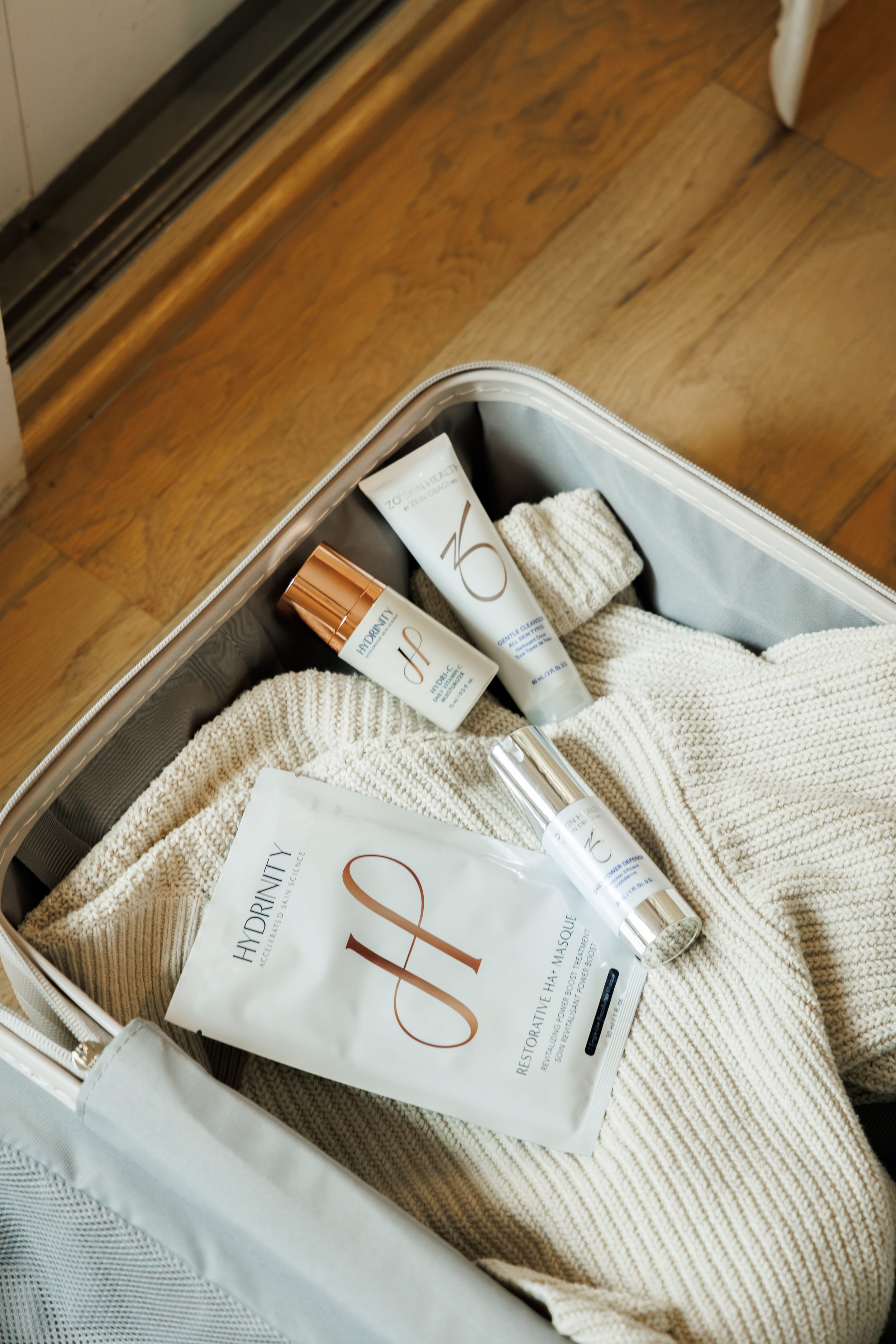
Ready for a Routine Built
Around Your Skin?
Ready for a Routine Built Around Your Skin?
Bring Isabelle your questions. Bring your current products. Bring the skincare concern you haven't been able to figure out. You don't need to know which prescription you want. That's the point of personalized care. Together, you can create a thoughtful skincare plan built around your skin, your goals, and your life.
Bring Isabelle your questions. Bring your current products. Bring the skincare concern you haven't been able to figure out. You don't need to know which prescription you want. That's the point of personalized care. Together, you can create a thoughtful skincare plan built around your skin, your goals, and your life.