Chemical Peels With
Isabelle Joseph,
DNP, NP-BC
Chemical Peels With
Isabelle Joseph,
DNP, NP-BC
Sometimes even a great skincare routine needs a little help.
If your skin feels dull, uneven, congested, or simply isn't responding the way you'd like to your current routine, a professional chemical peel may help give your skin the reset it needs.
Chemical peels use carefully selected solutions to exfoliate damaged surface layers of the skin and encourage cellular renewal, helping reveal fresher, smoother-looking skin underneath.
Isabelle Joseph, DNP, NP-BC personalizes each treatment based on your skin, your concerns, and your goals—because the right peel isn't the same for everyone.
And with concierge care, your treatment comes to you.
Sometimes even a great skincare routine needs a little help.
If your skin feels dull, uneven, congested, or simply isn't responding the way you'd like to your current routine, a professional chemical peel may help give your skin the reset it needs.
Chemical peels use carefully selected solutions to exfoliate damaged surface layers of the skin and encourage cellular renewal, helping reveal fresher, smoother-looking skin underneath.
Isabelle Joseph, DNP, NP-BC personalizes each treatment based on your skin, your concerns, and your goals—because the right peel isn't the same for everyone.
And with concierge care, your treatment comes to you.
Reveal Brighter, Smoother, More Even-Looking Skin
What Is a Chemical Peel?
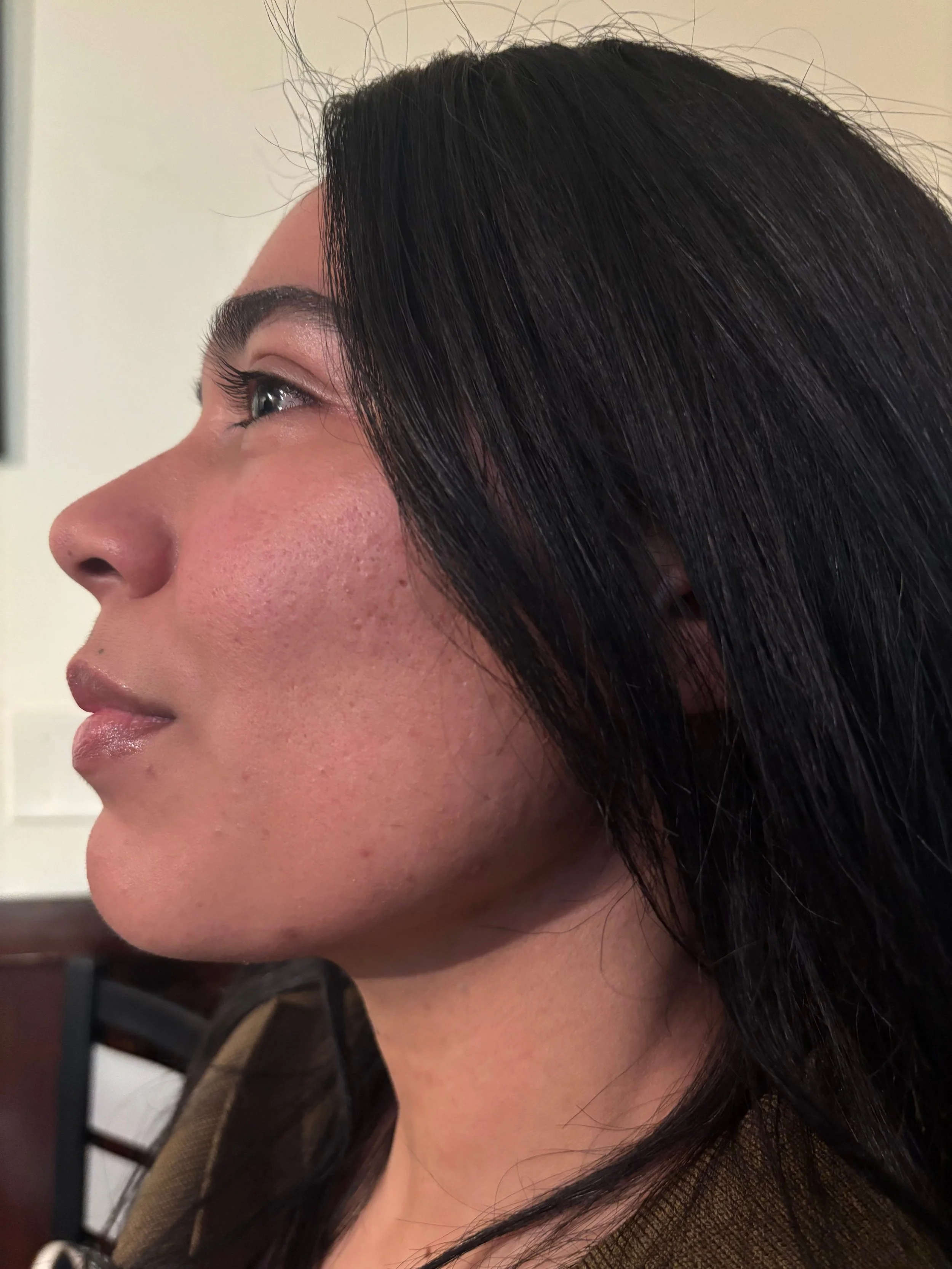
A chemical peel is a professional skin-resurfacing treatment that uses a carefully selected solution to exfoliate the skin.
Different peel formulations and strengths work at different depths, which means treatment can be customized according to your skin type, concerns, previous treatments, and desired level of correction and downtime.
Rather than simply choosing a peel from a menu, Isabelle evaluates your skin and helps determine which approach is appropriate for you.
The goal is controlled exfoliation that supports skin renewal while addressing the concerns that matter most to you.
What Can Chemical Peels Help Address?
What Can Chemical Peels
Help Address?
Sun exposure, hormonal changes, inflammation, and previous breakouts can leave areas of unwanted pigmentation behind.
Chemical peels may help improve the appearance of certain dark spots, post-inflammatory marks, melasma, and uneven pigmentation by accelerating cellular turnover.
Because pigmentation can have different causes—and some skin types require additional precautions—Isabelle will evaluate your skin before recommending treatment.
Hyperpigmentation + Dark Spots
Clogged pores, breakouts, and lingering post-acne marks can make skin feel difficult to manage.
Certain peel formulations may help exfoliate the skin, clear congestion, and support cellular turnover as part of a broader acne-focused skincare plan.
Acne + Congestion
When dead surface cells accumulate, skin can begin to look dull or feel rough.
A chemical peel can remove damaged surface cells and reveal fresher-looking skin underneath, helping improve the appearance of overall tone and texture.
Dullness + Uneven Texture
As skin changes with age and environmental exposure, fine lines, uneven texture, and loss of radiance can become more noticeable.
Chemical peels may help soften the appearance of superficial fine lines and support smoother, brighter-looking skin.
Fine Lines + Visible Signs of Aging
Not Every Peel Is the Same
Chemical peels aren't one-size-fits-all.
Different formulations may contain ingredients such as glycolic, salicylic, mandelic, TCA, or combinations of active ingredients. The appropriate formulation and strength depend on several factors, including your skin type, concerns, treatment history, and goals. That's why your skin assessment matters.
Isabelle will evaluate your skin and determine which available peel option is appropriate rather than choosing treatment based solely on what's trending or what worked for someone else. Your treatment should fit your skin—not the other way around.
Your Skin Determines the Treatment.
Thoughtful Skin
Treatment Starts With
Understanding Your Skin
Thoughtful Skin Treatment Starts With
Understanding Your Skin
Isabelle's approach to skin health isn't about doing the strongest treatment possible. It's about choosing the right treatment.
Before recommending a chemical peel, Isabelle considers what you're experiencing, what products you're currently using, your previous treatments, your skin type, and what you'd ultimately like to improve.
She'll also help you understand what kind of recovery to expect and how a peel fits into your broader skincare plan. For some patients, that may mean an individual treatment.
For others, a planned series of treatments combined with an appropriate at-home routine may make more sense. The plan is personalized to you.
Isabelle's Approach to Chemical Peels
What to Expect From Your Chemical Peel
What to Expect From Your
Chemical Peel
Skin Assessment
Your appointment begins with an evaluation of your skin, current concerns, skincare routine, relevant medical history, and treatment goals.
This helps Isabelle determine whether a chemical peel is appropriate and which available formulation and strength best fit your needs.
STEP 1
Peel Application
The selected peel solution is applied carefully to the treatment area.
The application process and number of layers will depend on the treatment selected.
You may experience sensations such as warmth or tingling during treatment.
STEP 2
Recovery + Renewal
What happens afterward depends on the depth of your peel.
Some lighter treatments may produce little or no visible peeling, while other peels can result in several days of dryness, flaking, or visible peeling.
Your skin may continue to improve after the visible recovery period as the renewal process continues.
Isabelle will explain what you can expect from your specific treatment and provide appropriate aftercare instructions.
STEP 3
Your skin treatment doesn't have to mean adding another trip across town to your schedule.
Through her concierge model, Isabelle brings professional aesthetic care directly to you at your home, office, or another appropriate location.
You'll receive personalized one-on-one care in a setting designed around your comfort and convenience.
Isabelle is based in South Easton, Massachusetts and serves South Easton and select surrounding communities, including Norwell, Randolph, Somerset, Stoughton, and Westwood.
Concierge Chemical Peels
Professional Skin Care—Without the Traditional Waiting Room
Maybe—and that's completely dependent on the treatment. One of the biggest misconceptions about chemical peels is that your skin must dramatically peel for the treatment to be effective.
That's not necessarily true. Lighter peels may cause minimal or no visible flaking. Other formulations may result in more noticeable peeling for several days. The amount of visible peeling isn't the measure of whether you received a “good” treatment.
The goal is to select an appropriate treatment for your skin and the concern you're trying to address—not to create the most dramatic recovery possible.
Will My Skin Actually Peel?
There isn't one answer for everyone. Some patients may benefit from an individual peel, while others may achieve their goals through a planned series of treatments.
Skin Clique currently offers both individual peels and peel series, with series commonly spaced approximately four to six weeks apart.
Isabelle can recommend an appropriate treatment schedule based on your skin, response to treatment, and goals.
How Many Chemical Peels Will I Need?
Is a Chemical Peel
Right for Me?
Chemical peels may be worth exploring if you're concerned about:
Uneven skin tone
Sun damage
Hyperpigmentation or dark spots
Post-acne marks
Dullness
Rough or uneven texture
Congested pores
Certain types of acne
Superficial fine lines
Overall skin radiance
Chemical peels aren't appropriate for everyone, and not every peel is appropriate for every skin type.
Your medical history, current skin condition, medications, skincare products, pregnancy or breastfeeding status, recent procedures, history of cold sores, sun exposure, and other factors may affect whether or how you should be treated.
Isabelle will review these considerations before recommending a peel.
Chemical Peels +
Different Skin Tones
Chemical peels can be used across a range of skin tones, but selecting the appropriate formulation and treatment depth is especially important.
Certain skin types may have a greater risk of unwanted pigment changes following aggressive treatment.
Isabelle evaluates your individual skin characteristics and chooses an appropriate approach based on your skin—not a universal treatment protocol.
If you have concerns about whether a chemical peel is appropriate for your skin tone, your consultation is the place to discuss them.
Customization Matters.
Before Your
Chemical Peel
Before treatment, tell Isabelle about:
Prescription and over-the-counter skincare products you use
Retinoids such as tretinoin or retinol
Acne medications
Recent aesthetic treatments
Current medications and supplements
Allergies
History of cold sores
Pregnancy or breastfeeding
Recent sun exposure or sunburn
Any active irritation, wounds, or infection
Preparation can be an important part of a successful chemical peel.
Certain skincare products may need to be temporarily paused before treatment.
Do not stop a prescribed medication or prescription skincare product unless instructed by the appropriate medical provider.
Isabelle will provide specific preparation instructions based on the peel selected and your individual skincare regimen.
Your aftercare will depend on the depth and formulation of your treatment. In general, your skin may temporarily feel dry, tight, sensitive, or begin to flake. During recovery, it is especially important to follow the instructions provided by Isabelle, protect your skin from sun exposure, and avoid picking or manually removing peeling skin. Your regular skincare routine may also need to be temporarily modified while your skin recovers. Isabelle will tell you when it's appropriate to restart active ingredients and other products.
After Your Chemical Peel
Chemical Peel Frequently Asked Questions
Chemical Peel Frequently
Asked Questions
-
Most patients experience some degree of warmth, tingling, or stinging while the peel is being applied.
The sensation varies depending on the formulation and treatment depth.
Isabelle will talk you through what to expect from the peel selected for you. -
Downtime varies.
Some lighter peels may cause little visible peeling, while other treatments may result in approximately three to five days of flaking or peeling.
Your expected recovery will be discussed before treatment. -
You may begin noticing improvements as your skin completes the initial recovery process.
Skin can continue to look and feel different over the following weeks as renewal continues.
Results vary based on the treatment selected, your skin, and the concern being addressed. -
Treatment frequency depends on the type and depth of peel.
Some light-to-medium peels may be performed approximately every four to six weeks as part of a treatment series, while deeper treatments require more time between sessions.
Isabelle will recommend an appropriate schedule for you. -
Certain retinoids and other active skincare ingredients may need to be temporarily paused before and after treatment.
Exactly when you should stop and restart a product depends on what you're using and the peel you're receiving.
Follow Isabelle's individualized instructions rather than stopping prescription skincare on your own.
-
Chemical peels may be appropriate for a variety of skin tones when the formulation and treatment depth are selected carefully.
Because the risk of unwanted pigment changes can differ among patients, an individualized skin assessment is important. -
Chemical peels may be appropriate for a variety of skin tones when the formulation and treatment depth are selected carefully.
Because the risk of unwanted pigment changes can differ among patients, an individualized skin assessment is important. -
Certain chemical peel ingredients may not be recommended during pregnancy or breastfeeding.
Tell Isabelle if you are pregnant, breastfeeding, trying to become pregnant, or if your health status has changed so she can determine which options, if any, are appropriate. -
Certain chemical peel formulations may be helpful for some patients with clogged pores, acne, or post-acne marks.
Acne can have multiple causes, however, so treatment should be individualized.
Isabelle can help determine whether a peel, prescription skincare, changes to your home routine, or another approach may be appropriate. -
Not necessarily.
The best peel is the one that appropriately matches your skin, concern, goals, and tolerance for recovery.
A stronger treatment isn't automatically a better treatment.
Chemical Peels + Your Home
Skincare Routine
What You Do Between Treatments Matters.
A chemical peel can be an important part of a skin-health plan, but professional treatments are only one piece of the picture.
Your everyday skincare routine plays an important role in protecting your skin and supporting your goals between appointments.
Isabelle can help you determine which cleansers, antioxidants, moisturizers, retinoids, pigment-focused products, and sun protection may make sense for your individual skin.
If your current routine feels complicated—or simply isn't working—this can also be a good opportunity to simplify it.
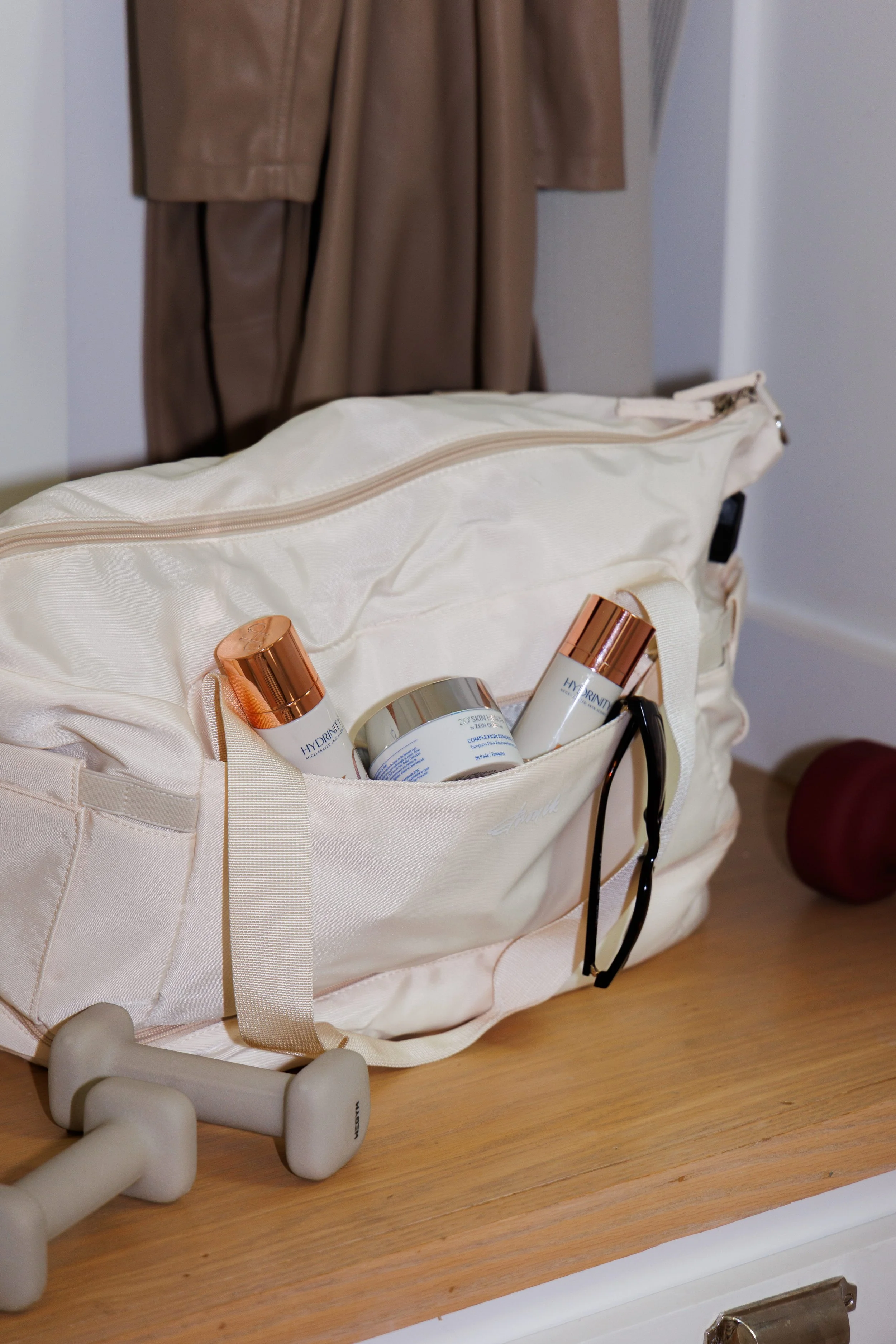
For patients who may benefit from multiple treatments, Skin Clique offers chemical peel packages in addition to individual treatments. Rather than deciding in advance that you need a package, start with your skin.
Isabelle can evaluate your concerns and recommend whether an individual treatment or planned series makes the most sense for your goals. Package availability and pricing can change, so ask Isabelle about current Skin Clique options when booking.
Chemical Peel Packages
Chemical peels may also be available as part of qualifying Skin Clique group experiences.
If you're interested in hosting an aesthetic event at your home, office, or another appropriate space, ask Isabelle about current group options and requirements.
Chemical Peels With Friends
Not Sure What Your Skin Needs?
Not Sure What Your
Skin Needs?
You don't need to arrive knowing which peel, ingredient, or treatment you need. Start with your skin.
Tell Isabelle what you're noticing, what you've tried, and what you'd like to improve. She can help you understand your options and determine whether a chemical peel—or another approach—makes sense for you.
Ready to Reveal Healthier-
Looking Skin?
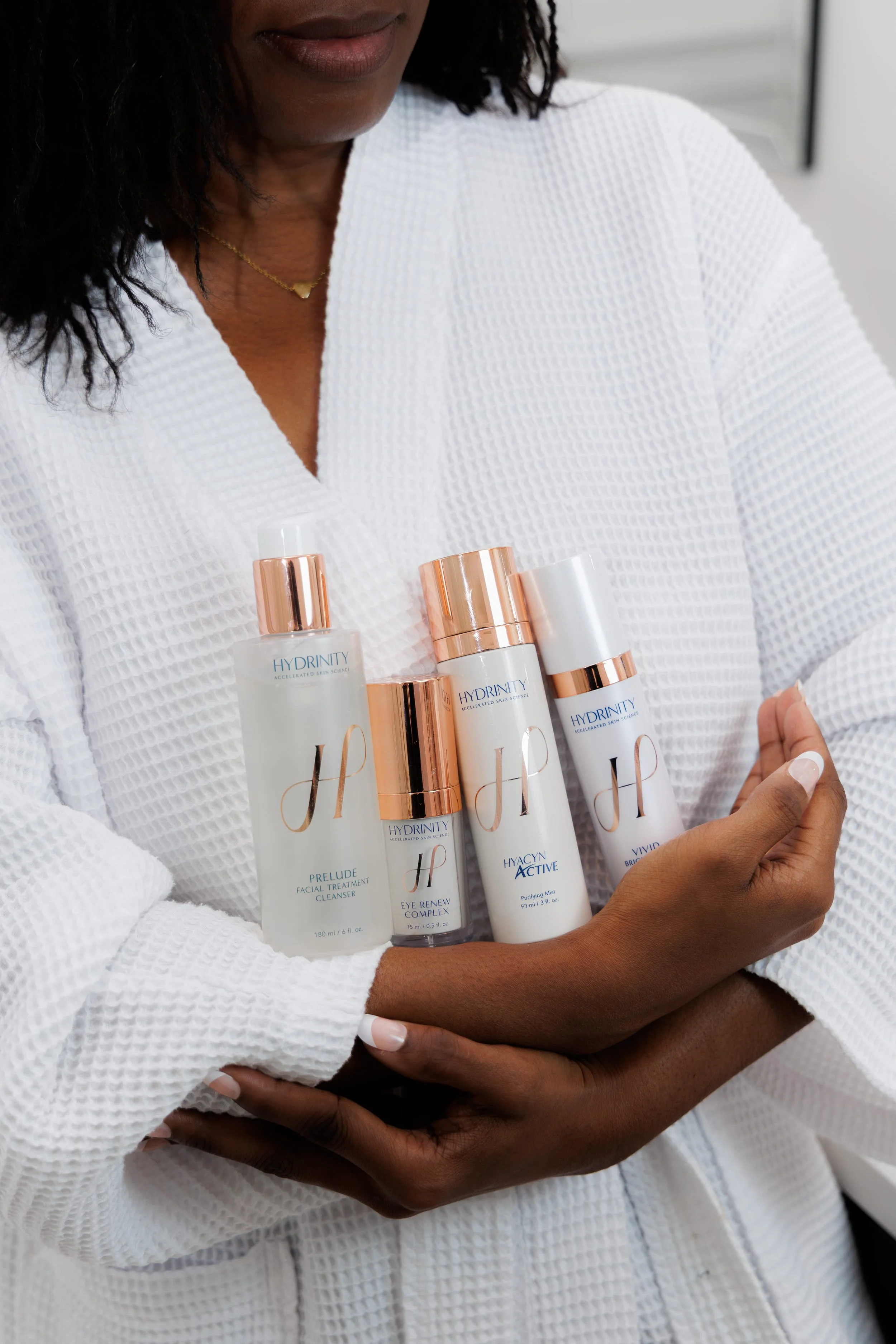
Ready to Reveal Healthier-Looking Skin?
Experience personalized, concierge skin care with Isabelle Joseph, DNP, NP-BC.
Experience personalized, concierge skin care with Isabelle Joseph, DNP, NP-BC.